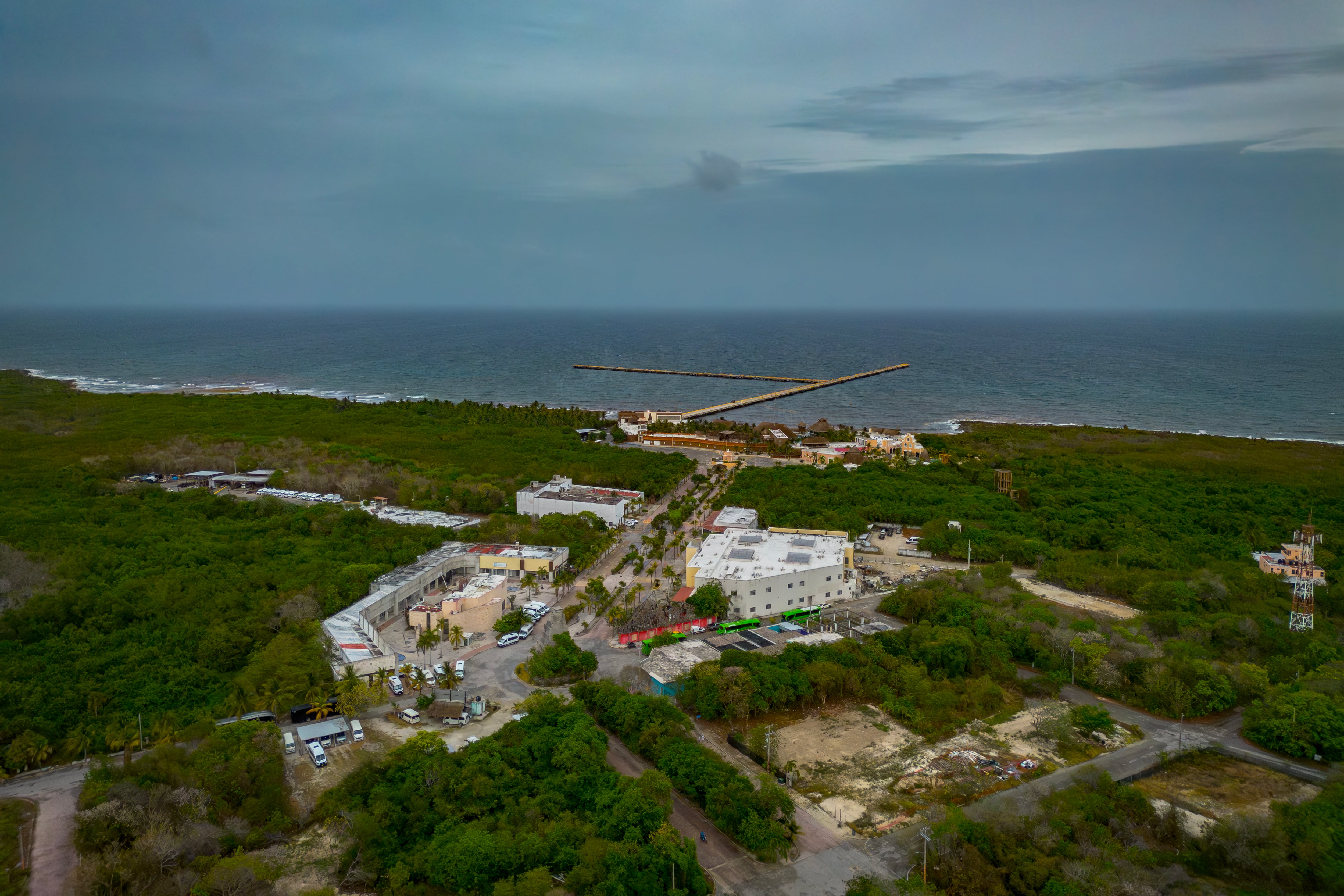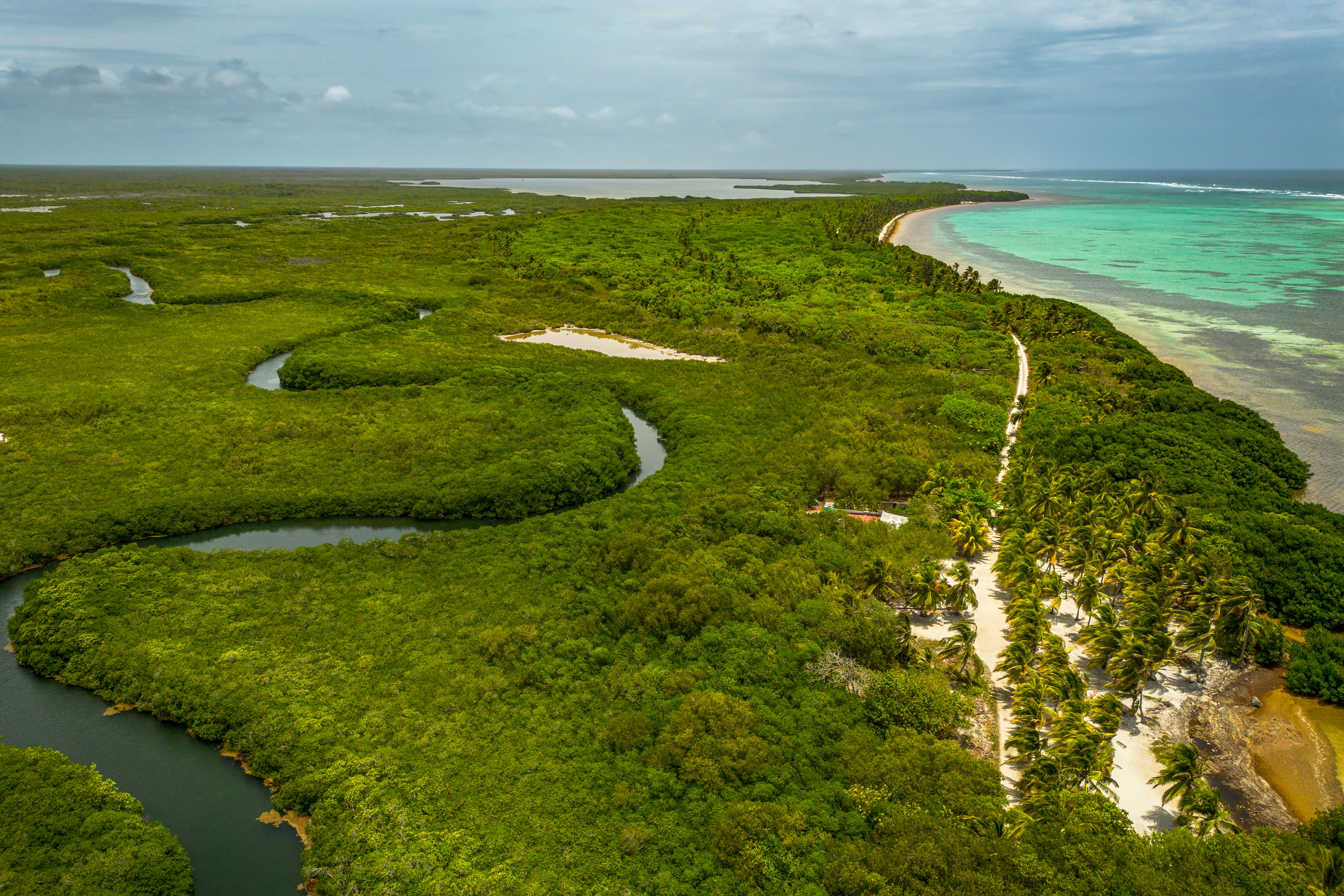
Mexican town of Mahahual sees little economic benefits — but massive environmental cost — from cruise ships
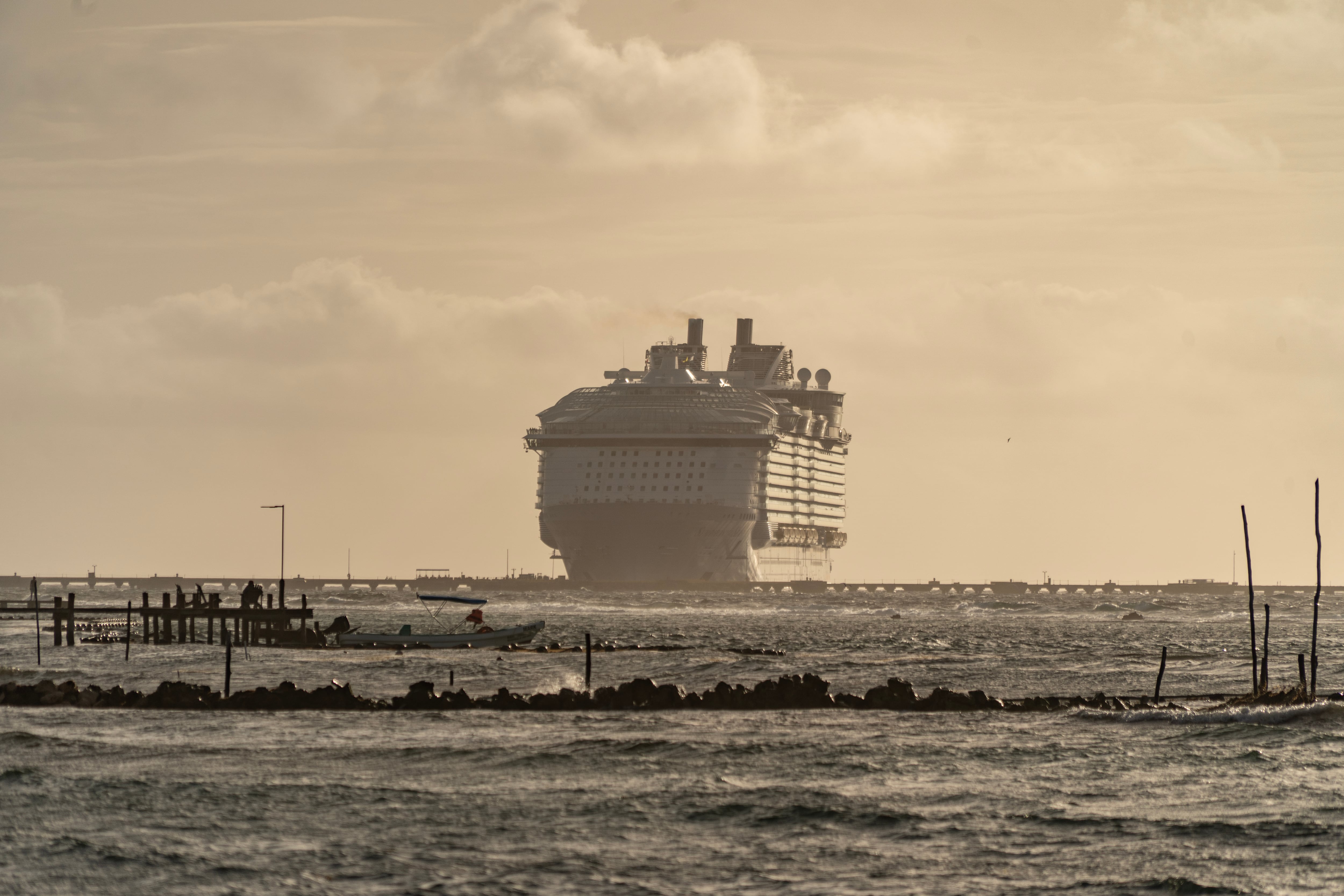
There are no Mexican cruise ships, yet they make up one of the fastest-growing tourism sectors in the country. Nor are many of their passengers Mexican, either: the typical tourist who buys tickets for such voyages is an adult from Western countries, Japan or China, between 45 and 70 years old. And despite promised nationwide windfalls, the reality is that the global cruise holding companies, which have designed the ships to be floating cities unto themselves, with all kinds of shows and services aboard, are few and wind up with the vast majority of the profits they produce. “After running statistical analysis, I realized something that has been documented for years: that cruise ships are an oligopoly,” says José Antonio Barragán Ojeda, professor at the National Autonomous University of Mexico (UNAM) in Mérida and author of several analyses of the cruise industry in Mexico.